.jpeg)
Creating a picturesque outdoor space in Illinois requires a blend of creativity, practicality, and an understanding of the local climate and environment. With its diverse geography and seasonal changes, Illinois offers ample opportunities for Landscaping in Illinois enthusiasts to craft stunning gardens and outdoor retreats. Whether you're aiming to enhance your curb appeal or transform your backyard into an inviting sanctuary, these landscaping tips tailored to Illinois can help you achieve your vision.
Native Plants Selection: Opting for native plants not only ensures a thriving landscape but also supports the local ecosystem. In Illinois, native species like Purple Coneflower, Black-eyed Susan, and Prairie Dropseed are well-adapted to the climate and soil conditions. Incorporating these plants into your landscape design can attract local wildlife, conserve water, and reduce maintenance efforts.
Seasonal Interest: Embrace Illinois's four distinct seasons by incorporating plants that offer year-round interest. Choose a variety of trees, shrubs, and perennials with contrasting textures, colors, and bloom times to maintain visual appeal throughout the year. Consider including plants with vibrant fall foliage, such as Sugar Maple and Red Oak, to add a burst of color to your autumn landscape.
Water Conservation: Efficient water management is crucial, especially during Illinois's hot and dry summers. Implementing water-saving techniques like drip irrigation, mulching, and xeriscaping can help conserve water and reduce watering frequency. Additionally, selecting drought-tolerant plants like Sedum, Butterfly Weed, and Little Bluestem can thrive in Illinois's unpredictable climate while minimizing water usage.
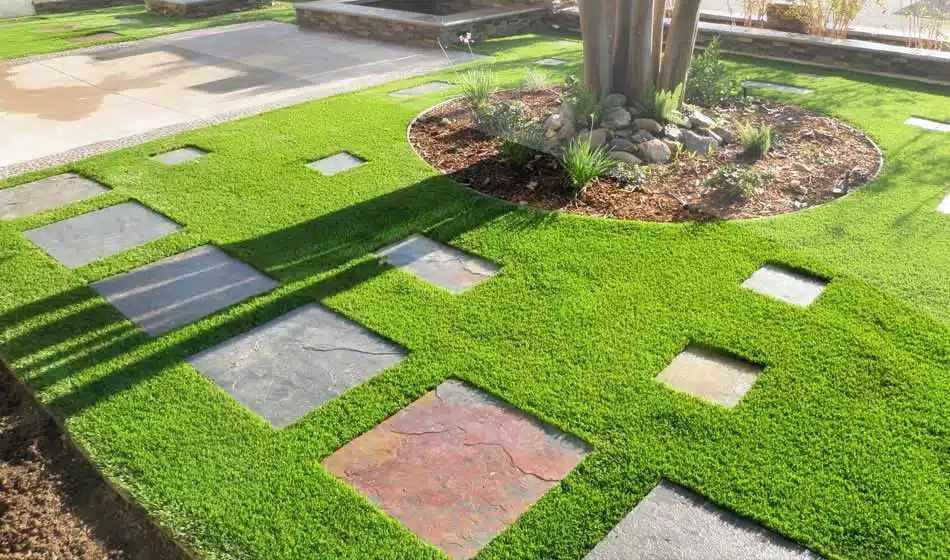
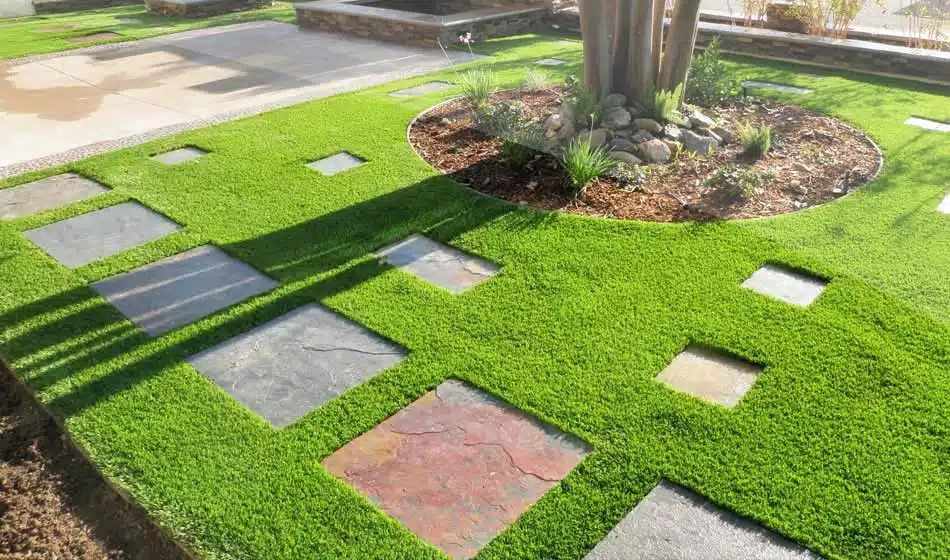
Hardscaping Elements: Integrate hardscaping features like pathways, patios, and retaining walls to enhance functionality and aesthetics. Utilize locally sourced materials like limestone, flagstone, or reclaimed brick to complement the natural landscape and evoke a sense of rustic charm. Incorporating seating areas and focal points such as fire pits or water features can create inviting outdoor living spaces for relaxation and entertainment.
Seasonal Maintenance: Regular maintenance is essential to keep your landscape looking its best year-round. In spring, focus on tasks like pruning, fertilizing, and mulching to promote healthy growth and bloom. During summer, monitor irrigation systems, weed regularly, and provide adequate protection for plants during heatwaves. In fall, clean up fallen leaves, divide perennials, and prepare your landscape for winter dormancy. Finally, in winter, focus on snow removal, winter pruning, and planning for future landscaping projects.
Environmental Considerations: Be mindful of environmental factors such as soil erosion, stormwater management, and wildlife habitat preservation when designing your landscape. Implement erosion control measures like planting ground covers or installing rain gardens to prevent soil erosion and filter stormwater runoff. Create habitat-friendly areas by incorporating native plants, bird feeders, and nesting boxes to attract and support local wildlife populations.
Professional Assistance: When in doubt, seek guidance from local landscaping professionals or extension services for personalized advice and recommendations. They can provide valuable insights into native plant selection, soil testing, and sustainable landscaping practices tailored to Illinois's unique environmental conditions.
By following these landscaping tips, Illinois residents can create outdoor spaces that not only enhance the beauty of their surroundings but also contribute to the health and vitality of the local ecosystem. Whether you're a seasoned gardener or a novice enthusiast, designing a landscape that thrives in Illinois's dynamic climate is achievable with careful planning, creativity, and a deep appreciation for the natural beauty of the Prairie State.
For More Info:

Write a comment ...